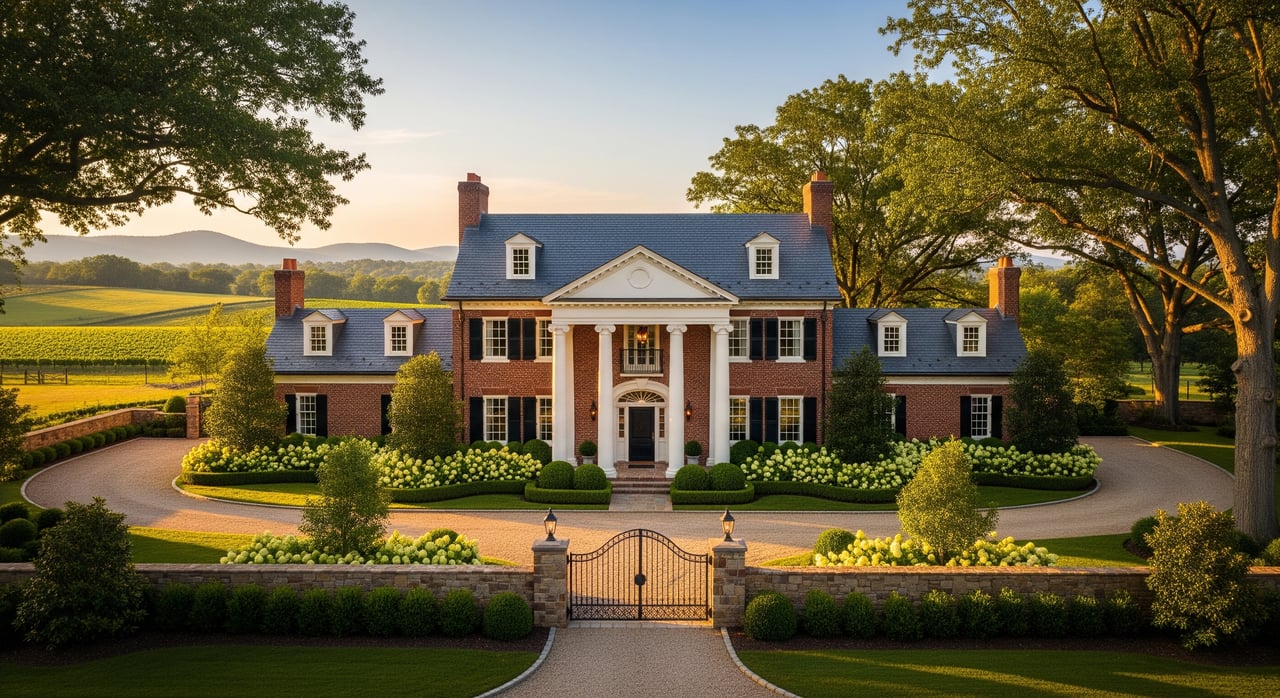
Trying to figure out which part of Leesburg fits your everyday life best? You have options, from charming streets near coffee shops to planned villages with pools and trails, club-centered neighborhoods, and rolling countryside with room to breathe. It can be hard to compare them side by side when you are early in your search. This guide breaks down Leesburg’s neighborhood types, what daily life feels like in each, and the trade-offs to consider so you can focus on what matters most to you. Let’s dive in.
How Leesburg is laid out
Leesburg is the county seat of Loudoun County and blends a compact, historic core with suburban villages and rural land as you move outward. You will notice a clear shift from walkable, small-lot homes near downtown to larger-lot subdivisions and then to open countryside.
Regional access shapes daily routines. Route 7 is the main east–west spine toward Northern Virginia job centers and the D.C. corridor. The Dulles Greenway and other routes streamline trips toward Dulles International Airport and the Beltway. Where you live will influence which corridor you use most and how you plan errands, commuting, and weekend outings.
You will also see different ownership and community styles: neighborhoods with active HOAs and shared amenities, golf and resort settings, age-restricted communities, and estate or equestrian properties on larger parcels.
Neighborhood types at a glance
Historic Downtown: Walkable, lively living
- What it feels like: Brick sidewalks, 18th–19th-century façades, and storefronts close to the street. You can stroll to restaurants, galleries, and local events. The energy centers on public life and small businesses.
- Homes: Older townhomes and small-lot detached homes, plus a limited number of condos or apartments above shops. Floor plans vary, and period details are common.
- Daily snapshot: Morning coffee and errands on foot, an afternoon at a local market or festival, dinner at a favorite spot, then a short walk home.
- Trade-offs: Smaller or irregular lots, potential renovation guidelines for exteriors, and parking that can tighten during events.
Master-planned villages: Amenities and ease
- What it feels like: Sidewalk-lined streets, pocket parks, and community centers create a friendly, organized vibe. Pools, playgrounds, and trails are built in. Many of these neighborhoods were developed from the 1990s on.
- Homes: A mix of single-family homes, townhomes, and garden-style condos with newer systems and standardized floor plans. Lots are larger than downtown but still manageable.
- Daily snapshot: Weekday jogs on community trails, neighborhood swim time, weekend cookouts at a pocket park, and quick drives to retail nearby.
- Trade-offs: HOA fees and covenants come with the amenities. Architecture can feel uniform, and exterior changes may need approval.
Golf and resort communities: Club-centered lifestyle
- What it feels like: Manicured fairways, scenic views, and a social calendar tied to the clubhouse. Fitness, tennis, and spa-style amenities often anchor community life.
- Homes: Larger single-family residences, many custom or semi-custom, with premium finishes. Townhomes or carriage homes may cluster near club facilities.
- Daily snapshot: Early tee time, lunch at the club, an afternoon workout, and an evening event with neighbors.
- Trade-offs: Expect higher HOA or club dues and aesthetic standards that guide exterior care.
Active adult 55+: Low-maintenance and connected
- What it feels like: Age-restricted or age-targeted communities focus on convenience and community programming. Fitness centers and clubs are common, with easy access to services.
- Homes: Condos, patio homes, and smaller single-family residences with low-maintenance yards.
- Daily snapshot: Morning class at the fitness center, volunteer work or hobbies midday, and a neighborhood gathering in the evening.
- Trade-offs: Eligibility rules apply, and fees may include maintenance and programming.
Rural and equestrian estates: Space and privacy
- What it feels like: Rolling hills, wooded edges, and wide-open skies. You will rely more on your vehicle and enjoy quiet, privacy, and outdoor pursuits.
- Homes: Custom single-family homes, historic farmhouses, and estate properties. Equestrian parcels often include barns or arenas.
- Daily snapshot: Sunrise over fields, a long ride or hike, quiet afternoons, and starry-night skies.
- Trade-offs: Longer drives for groceries and services, plus potential well and septic systems and road maintenance considerations.
Nearby small towns: Village-scale living
- What it feels like: Smaller main streets, local shops, and a slower pace in surrounding Loudoun towns such as Purcellville, Round Hill, Hamilton, and Waterford. You get quick access to outdoor recreation and wineries.
- Homes: A range of single-family homes and historic options at a smaller scale than Leesburg’s core.
- Daily snapshot: Coffee on a quieter main street, a short errand run, and a countryside drive to a local trail or vineyard.
- Trade-offs: Fewer large retail hubs, and commutes may orient more to western Loudoun routes.
Quick comparison guide
| Neighborhood type | Walkability | Typical lot size | HOA or dues likely | Commute orientation | Leisure highlights |
|---|---|---|---|---|---|
| Historic Downtown | Strong to daily needs | Small, urban lots | Low to moderate | Local streets to Route 7 | Dining, festivals, galleries |
| Master-planned villages | Internal trails, car for major retail | Modest yards to about 1/3–1/2 acre | Yes, common | Community roads to Route 7/Greenway | Pools, parks, organized events |
| Golf/resort communities | Walkable near club | Medium to larger lots | Yes, plus club dues | Direct access to arterials | Golf, tennis, fitness, social calendar |
| Active adult 55+ | Good within community | Low-maintenance | Yes, includes services | Proximity to major roads | Classes, clubs, convenience |
| Rural/equestrian | Low | Acres to estates | Rare HOAs | Country roads to arterials | Horses, hiking, vineyards |
| Nearby small towns | Moderate in town core | Small to medium | Varies | Western Loudoun routes | Local shops, trails, wineries |
Lifestyle trade-offs to consider
- Walkability vs. private outdoor space. Downtown offers the best foot access to dining and events. Planned communities deliver internal walkability to parks and pools. Rural areas trade walkability for acreage and privacy.
- Social life and programming. If you want built-in ways to meet neighbors, planned villages, resort-style communities, and active adult neighborhoods often host events and fitness classes. Downtown and small-town living provide a lively public scene framed by markets, restaurants, and festivals.
- Maintenance and predictability. HOAs typically cover shared amenities and maintain standards that protect curb appeal, in exchange for rules and fees. Historic and rural properties can require more hands-on upkeep and specialized care.
- Commute patterns. Your location will shape whether you rely on Route 7, the Dulles Greenway, or smaller country roads. Rural areas have fewer transit options, so plan on private vehicle use.
- Seasonal rhythms. Event weekends can add traffic near downtown. Golf and club calendars influence activity in resort communities. Agricultural activity can define rural seasons.
Which neighborhood fits you
- Crave cafés and culture on your doorstep. Historic Downtown puts you close to restaurants, galleries, and municipal events, with strong walkability.
- Prefer amenities and easy routines. Master-planned villages combine pools, trails, and parks with newer homes and HOA-managed standards.
- Want club life and scenic views. Golf and resort communities deliver a social calendar, fitness, and manicured settings.
- Seek low-maintenance living with programming. Active adult neighborhoods offer right-sized homes and on-site activities.
- Need acreage or equestrian facilities. Rural and estate properties provide space, privacy, and outdoor freedom.
- Like a quieter main street feel. Nearby small towns offer village-scale living with quick access to western Loudoun’s recreation and wineries.
Practical details buyers ask about
- Home ages and styles. Downtown and older neighborhoods have the most historic stock with period character. Suburban products built from the 1990s to 2010s favor open layouts and attached garages. Newer infill options appear near transportation corridors.
- Lot sizes. Downtown lots are compact. Many subdivisions offer modest yards to roughly one-third or one-half acre. Rural parcels range from several acres to estate scale.
- Ownership and governance. Most single-family homes are fee simple. Condos and age-restricted communities may have condominium governance. HOAs are common in planned neighborhoods and can include exterior maintenance, landscaping, and amenity access.
- Renovations and rules. Historic district properties may be subject to preservation guidelines and exterior-change approvals. Planned communities can limit exterior modifications to maintain a cohesive look.
Day-in-the-life snapshots
- Historic Downtown morning. You step out your front door for coffee, wave to neighbors at a farmers market, and pick up dinner on the way home. Parking is easier on weekdays than during festivals, so you plan ahead for big events.
- Master-planned village afternoon. You take a walk on neighborhood trails, meet friends at the pool, and enjoy a quick drive to nearby retail. HOA newsletters keep you in the loop on events.
- Golf community weekend. Tee time, then brunch at the clubhouse. The afternoon brings a fitness class or tennis, followed by a relaxed evening with neighbors.
- Rural retreat. Sunrise over rolling fields, a trail ride or hike, and a quiet evening under the stars. Supply runs are less frequent but bigger, and you keep an eye on well and septic maintenance.
How we help you choose
You should not have to guess which Leesburg neighborhood suits your routines. A focused plan saves time and stress. Our team helps you compare lifestyle fits, preview communities efficiently, and understand the practical details that affect day-to-day living.
Here is what that looks like with us:
- Guided neighborhood tours tailored to your commute, hobbies, and must-haves.
- Clear explanations of HOA expectations, preservation guidelines, and maintenance considerations before you make an offer.
- Relocation support that coordinates scouting trips, short-term housing, and a tech-enabled process so decisions are easier from a distance.
- Design-forward listing prep and staging for sellers moving within or out of Leesburg, so you can capture attention and move on your timeline.
When you are ready to explore, the Susan & Joe Team can help you map your options and take the next step with confidence.
FAQs
What types of homes are common in Leesburg’s different areas?
- Downtown offers older townhomes and small-lot detached homes, planned villages feature a mix of single-family, townhomes, and condos, golf communities lean larger and often custom, 55+ options right-size maintenance, and rural areas range from farmhouses to estate properties.
How walkable is Leesburg compared to its suburbs and countryside?
- Downtown is strongly walkable to dining and civic life. Planned villages are walkable within the neighborhood to parks and pools, but most errands still involve short drives. Rural and estate areas are car dependent.
What should I know about HOAs in planned communities?
- HOAs typically maintain shared amenities and set exterior standards to protect curb appeal. Fees and rules vary by neighborhood and can include landscaping or exterior maintenance in some communities.
Are there rules for renovating historic homes near downtown?
- Properties in designated historic areas may require approvals for exterior changes to preserve architectural character. This can influence timelines and materials for renovations.
What maintenance comes with rural or equestrian properties?
- You may manage well and septic systems, longer driveways, and private road care. Outbuildings like barns or arenas add upkeep but support equestrian or hobby-farm lifestyles.
How does neighborhood choice affect my commute in Leesburg?
- Your location will determine your access to Route 7, the Dulles Greenway, or country roads. Planned and club communities often sit near arterials, while rural areas involve longer connections to major routes.
Are there seasonal factors that change daily life in Leesburg?
- Event weekends can increase traffic near downtown, golf communities follow club seasons, and agricultural cycles shape activity in rural areas. Planning around these rhythms helps day-to-day flow.