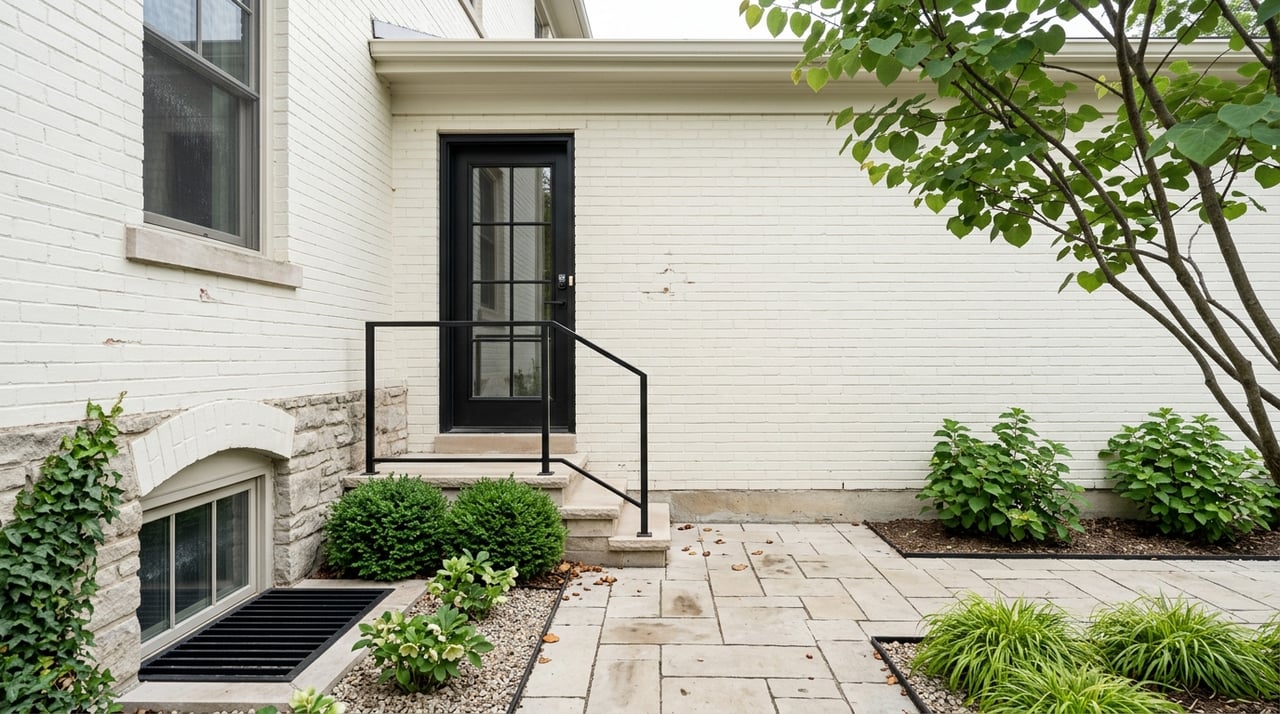
If you are thinking about keeping your Ashburn home as an investment instead of selling it, you are not alone. Between strong local rents, a large professional renter base, and continued demand tied to commuting and tech employment, Ashburn can make a compelling case for a long-term rental. The key is knowing how to prepare the home, price it thoughtfully, and understand the rules before you hand over the keys. Let’s dive in.
Why Ashburn Can Support Long-Term Rentals
Ashburn is not a bargain rental market. According to U.S. Census QuickFacts for Ashburn, the area has a 68.0% owner-occupied housing rate, a median gross rent of $2,455, and a median household income of $154,978. Those numbers point to a renter pool with substantial buying power and expectations around comfort, convenience, and condition.
Current asking rents also show that demand remains meaningful. Apartment List’s Ashburn market data reports an overall median rent of $2,583 as of April 2026, with average asking rents around $2,404 for one-bedroom units, $3,002 for two-bedroom units, and $3,876 for three-bedroom-plus units. Zillow’s current Ashburn rental search shows 723 listings, which suggests an active market with ongoing leasing activity.
Location also helps support rental demand. Ashburn Station on Metro’s Silver Line connects Loudoun County to the broader Washington region, and Loudoun County continues to grow. For homeowners, that means there may be steady interest from renters who want access to work centers, transit, and everyday convenience without committing to a home purchase right away.
Start With a Rental Readiness Check
Before you list your home, take an honest look at whether it is ready to function well as a rental. A long-term rental should not simply be a home you moved out of. It should be a property that can hold up to everyday use, meet legal standards, and appeal to renters who may compare it with newer or professionally managed options nearby.
Virginia requires landlords to keep rental homes in a fit and habitable condition. Under Virginia law on landlord obligations, that includes complying with applicable housing codes, making necessary repairs, and maintaining electrical, plumbing, heating, ventilation, air-conditioning, and other supplied systems in good working order. Mold prevention and remediation responsibilities are also addressed under state law.
A pre-listing walkthrough can help you spot problems before they become tenant complaints. Focus first on safety, function, and deferred maintenance. In many cases, the homes that rent fastest are not the flashiest ones. They are the homes that feel clean, reliable, and easy to live in.
Features Renters Often Notice First
If you want your Ashburn rental to compete well, practical upgrades usually matter more than highly personalized finishes. Recent renter research from Apartment List’s State of Renting report and NMHC findings highlighted there points to in-unit laundry, pet-friendly policies, central air conditioning, and internet availability at move-in as top priorities for many renters.
That lines up with what current Ashburn rental listings on Apartment List already emphasize. Listings commonly call out in-unit laundry, updated interiors, parking, garage space, and proximity to Ashburn Metro. In other words, renters are often shopping for convenience and daily livability as much as style.
When preparing your home, pay special attention to features like:
- Reliable HVAC
- A functional kitchen with working appliances
- In-unit laundry
- Sufficient storage
- More than one bathroom for larger homes
- Driveway, garage, or assigned parking
- Strong internet setup or easy move-in connectivity
- A flexible room that can serve as a home office
For many Ashburn renters, a bonus room or quiet office space may be especially attractive given the area’s commuter profile, professional workforce, and high education levels reflected in Census data.
Price With the Market, Not Emotion
One of the biggest mistakes homeowners make is pricing the rental based on mortgage payment, renovation cost, or sentimental value. Renters do not price homes that way. They compare your property with similar available options and decide whether the home feels worth the monthly cost.
That is why local rent context matters. If one-bedroom units average about $2,404, two-bedroom units average about $3,002, and three-bedroom-plus options average about $3,876 according to Apartment List’s Ashburn report, your pricing should reflect your home’s size, condition, parking, layout, and location advantages. A well-presented property may justify stronger pricing, but only if the condition and features support it.
If you are unsure how your specific property fits, a local rental analysis can help you avoid overpricing and sitting on the market. In a market with hundreds of competing listings, the first impression matters. So does the first price.
Know the Virginia Rules Before Leasing
Turning your home into a rental is not just a marketing decision. It is also a compliance decision. Before leasing the property, make sure you understand a few core Virginia requirements.
Under Virginia security deposit rules, a security deposit cannot exceed two months’ periodic rent. The landlord must also provide an itemized security-deposit disposition within 45 days after the tenancy ends or the tenant vacates, whichever is later.
That same section also matters for everyday lease administration. Late charges are only allowed if the written rental agreement provides for them, and a landlord’s right to routine entry generally requires at least 72 hours’ notice when practicable. Clear lease terms and organized recordkeeping can go a long way in avoiding misunderstandings later.
Fair housing compliance is also essential. The Virginia Department of Professional and Occupational Regulation’s fair housing guidance makes clear that rental transactions and advertising are covered, and discrimination based on protected classes is prohibited. If your home was built before 1978, federal lead-based paint disclosures also apply before a lease is signed.
Check Loudoun County and Community Rules
Local rules matter too. Loudoun County draws a clear line between short-term and long-term rentals. According to the county’s short-term rental guidance, stays of fewer than 30 consecutive days are treated as short-term rentals and require annual registration, a zoning permit, and transient occupancy tax collection.
If your plan is a standard long-term lease, you avoid those short-term rental requirements. Even so, county tax or filing obligations may still apply in some situations. Loudoun County also notes in its residential rental property form that owners of three or more long-term residential dwelling units must register for a Rental by Owner business license and pay an annual tax.
If your home is in a condominium or common-interest community, review the governing documents before listing it for rent. The Virginia Common Interest Community Board explains that these communities are governed by legal documents and association rules, and lease-related terms may be addressed there. This step can save you time and prevent avoidable problems later.
Self-Manage or Hire a Property Manager?
Some homeowners are comfortable handling everything themselves. Others quickly realize that leasing, maintenance coordination, notices, rent collection, and tenant communication can become a second job. The right path depends on your availability, your comfort with compliance, and whether you live nearby.
A property manager may be especially helpful if you are relocating, live outside the area, own more than one rental, or simply want less day-to-day involvement. In a market like Ashburn, where renter expectations can be high, having a clear system for maintenance and communication can make a real difference.
Virginia also sets standards for professional management. The Virginia Real Estate Board licenses firms that represent others in property transactions, and residential property-management agreements must be in writing and state the fees, services, and termination date. Virginia law further outlines that a licensee managing property must follow the agreement, use ordinary care, account for funds, disclose material facts, and comply with fair housing rules under state property management requirements.
A Simple Path to Conversion
If you want to turn your Ashburn home into a long-term rental with fewer surprises, keep the process straightforward:
- Evaluate the home’s condition and fix deferred maintenance.
- Confirm any HOA, condo, or community leasing restrictions.
- Review Virginia landlord requirements and disclosure obligations.
- Research competing rentals and set a market-based price.
- Prepare the home with an emphasis on function, cleanliness, and convenience.
- Decide whether you will self-manage or hire a licensed property manager.
- Use a clear written lease and organized documentation.
This kind of planning can protect your time, your property, and your rental income. It can also help you present the home in a way that matches what Ashburn renters are actively looking for.
If you are weighing whether to rent or sell, or want a local perspective on how your Ashburn property may perform as a long-term rental, Susan & Joe Team can help you think through your options with the kind of neighborhood insight and concierge-level guidance that makes complex decisions feel more manageable.
FAQs
What makes an Ashburn home appealing as a long-term rental?
- Ashburn renters often look for practical features such as in-unit laundry, central air conditioning, parking, storage, updated condition, and reliable internet access at move-in.
What is the typical rent range for rentals in Ashburn?
- According to Apartment List’s April 2026 data, Ashburn’s median rent is $2,583, with average asking rents around $2,404 for one-bedroom units, $3,002 for two-bedroom units, and $3,876 for three-bedroom-plus units.
What are Virginia’s security deposit rules for a long-term rental?
- Virginia caps a security deposit at two months’ periodic rent and requires an itemized deposit disposition within 45 days after the tenancy ends or the tenant vacates, whichever is later.
Does Loudoun County treat long-term rentals differently from short-term rentals?
- Yes. Loudoun County defines short-term rentals as stays of fewer than 30 consecutive days, and those uses have separate registration, zoning, and tax requirements that do not apply in the same way to standard long-term leases.
Should you hire a property manager for an Ashburn rental home?
- A property manager can be a strong option if you are relocating, live outside the area, own multiple rentals, or want help with leasing, maintenance coordination, notices, and rent collection.