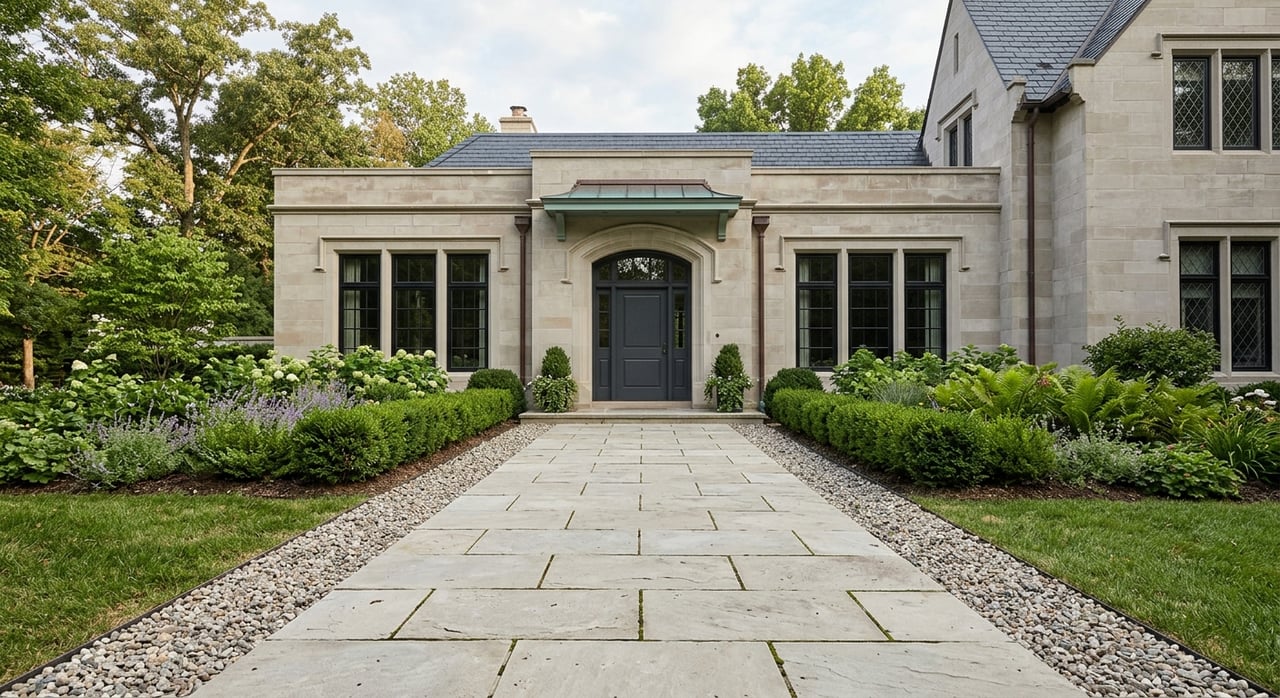
If you are getting ready to sell an estate home in Leesburg, it is easy to assume the process starts with paint colors, landscaping, or a quick declutter. In reality, the best results usually come from doing the right work in the right order. When you understand how Leesburg’s market varies, what property-specific issues can affect timing, and which updates matter most, you can prepare with more confidence and less stress. Let’s dive in.
Know the Leesburg market first
Before you schedule repairs or staging, it helps to understand that Leesburg is not one single market. Estate-home sellers often perform better when they look at their property through a smaller, more specific lens.
According to DAAR’s Q1 2026 report, ZIP code 20176 had a median sold price of $855,000, 8 median days on market, and 0.9 months of supply. In ZIP code 20175, the median sold price was $602,500, with 13 median days on market and 1.1 months of supply. Redfin’s March 2026 city-wide snapshot showed a median sale price of $694,500 and about 30 days on market, which highlights how different the story can look depending on the submarket and data set.
For you as a seller, the takeaway is simple: pricing, prep, and launch strategy should be shaped by your exact location and property type, not just by a town-wide headline. That is especially important for larger homes, acreage properties, and homes with historic or architectural considerations.
Time your launch carefully
Many sellers hear that spring is the best time to sell, but timing is not only about the calendar. Realtor.com identified the week of April 12 to 18, 2026 as the best national week to sell, while also noting that local market conditions, mortgage rates, and current competition still matter.
Just as important, Realtor.com notes that the first four weeks after a listing goes live are the key make-or-break period for pricing and the final sale outcome. That means you should avoid listing before the home is fully ready.
For a Leesburg estate home, the strongest launch usually happens after inspections, exterior work, staging, and media are complete. If your home goes live before it is photo-ready or before property details are organized, you risk using your most important market window inefficiently.
Handle legal and property details early
One of the biggest mistakes estate-home sellers make is focusing on cosmetics before confirming property-specific details. In Leesburg, that early review can save time and reduce surprises once a buyer starts due diligence.
Virginia follows a notice-and-due-diligence disclosure system. Under this framework, the seller generally makes no representations about many aspects of the property, including condition, lot lines, adjacent parcels, historic district ordinances, wastewater systems, flood zones, conservation easements, radon, lead pipes, defective drywall, dams, or aircraft noise. Buyers are advised to conduct their own due diligence before settlement.
That does not mean you should wait for questions to come up later. For a smoother sale, it helps to gather documents and surface known issues before your home hits the market. This is especially useful for larger or more complex properties, where buyers may ask for more detail early in the process.
Check Old & Historic District rules
If your property is located in Leesburg’s Old & Historic District, exterior improvements are not informal. The Town of Leesburg requires a Certificate of Appropriateness for exterior changes before work begins.
Even smaller items, such as fencing and exterior paint colors, may go through administrative review. Window replacements and new construction require Board of Architectural Review approval before work starts. Non-contributing properties may have more flexibility, but they still follow the district review process.
If you are considering exterior touch-ups before listing, confirm these requirements first. That can help you avoid rework, delays, or unnecessary contractor scheduling problems.
Confirm land-use status on acreage
If your estate home includes a larger tract of land, Loudoun County’s Land Use Assessment Program may affect your planning. The county states that rollback taxes may apply if land enrolled in the program is converted to an ineligible use, rezoned to a more intensive use, or subdivided.
The county also notes that each enrolled parcel must be renewed every sixth year with supporting documentation. For sellers, that means it is smart to confirm land-use status early, especially if your property’s acreage is part of its value story.
Fix what matters most first
Once legal and site-specific questions are addressed, move to repairs. The highest-value work is usually not the flashiest. It is the work that improves function, removes buyer concern, and keeps inspections from becoming a source of negotiation later.
Realtor.com cites a home-inspection expert who recommends fixing any defect that affects a major house system before listing. That includes issues such as leaks, malfunctioning built-ins, infestations, and imminent safety or environmental hazards.
For an estate home, this approach keeps your prep focused. Start with meaningful issues that affect how the home works. Then use cosmetic updates to support presentation rather than trying to cover up unresolved problems.
Focus on visible improvements next
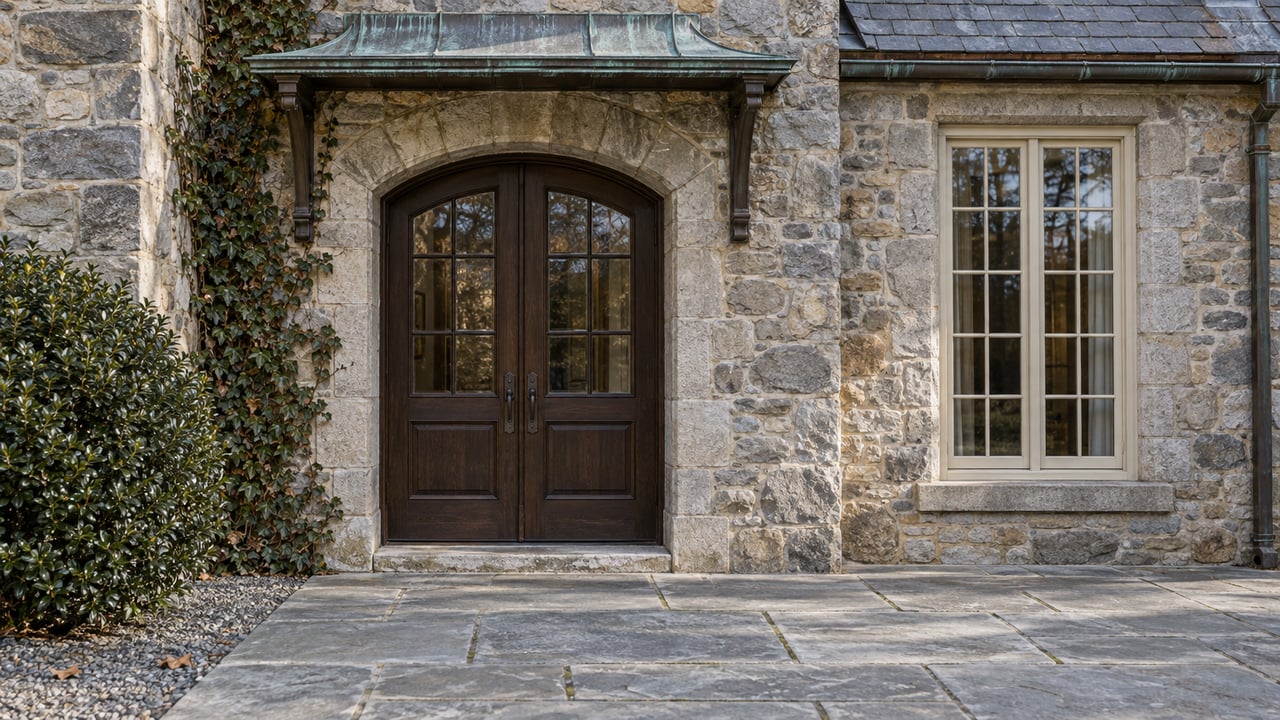
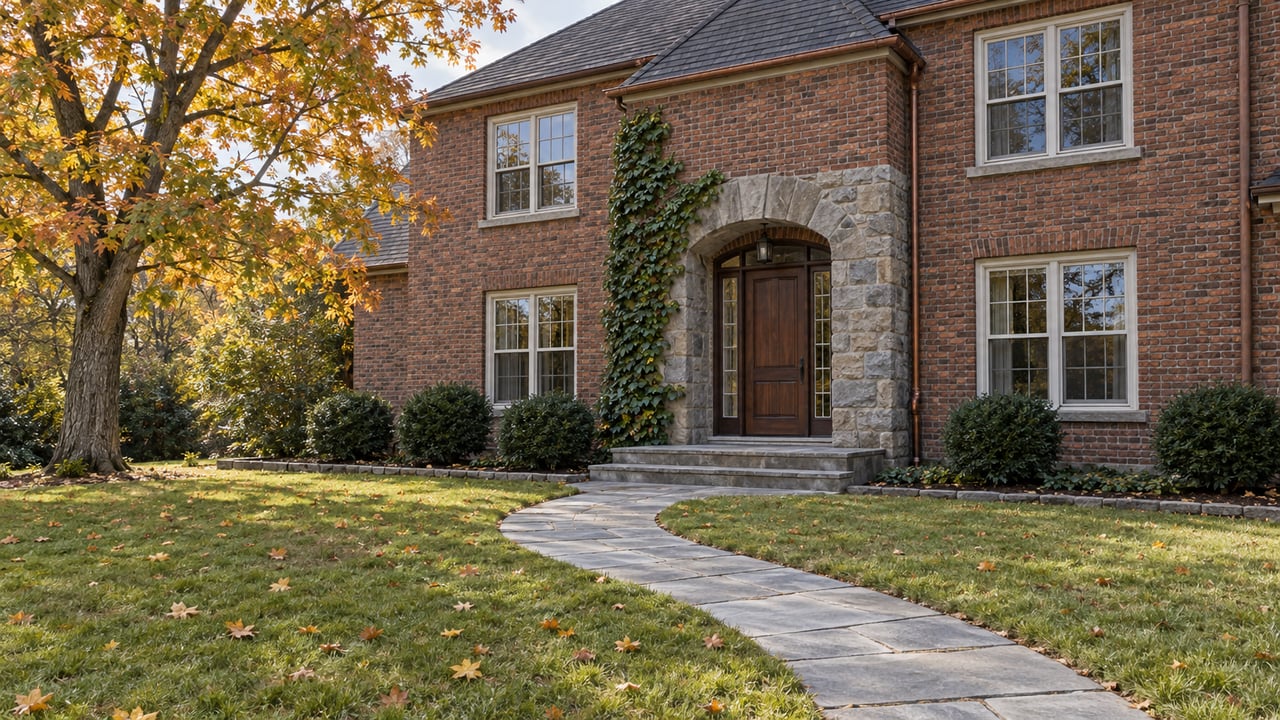
After essential repairs, turn your attention to the upgrades buyers notice right away. For most sellers, that means paint, curb appeal, and overall presentation.
Realtor.com also notes that repainting and landscaping can improve appeal. In a larger home, fresh and consistent finishes can help rooms feel more cohesive, while exterior cleanup can make the property feel cared for from the start.
You do not need to redesign every space. The goal is to make the home feel clean, functional, and easy to understand when buyers first see it online and in person.
Stage for scale and clarity
Staging can be especially valuable in estate properties because larger rooms and more square footage can be harder for buyers to interpret. Well-planned staging helps buyers understand how each room lives and how the overall home flows.
NAR’s 2025 staging research found that 83% of buyers’ agents said staging makes it easier for buyers to visualize the property as a future home. The most commonly staged rooms were the living room at 91%, the primary bedroom at 83%, and the dining room at 69%.
The same report found that 29% of agents saw staged homes receive a 1% to 10% higher dollar value offered. It also reported that 49% of sellers’ agents said staging reduced time on market.
For an estate home in Leesburg, staging works best when it creates a sense of proportion and purpose. Public-facing spaces should feel open, refined, and easy to navigate. Oversized furniture, too many personal items, or crowded layouts can make even a large home feel less impressive.
Start with these staging priorities
NAR’s report also highlights the most common seller-side recommendations:
- Declutter the home
- Clean the entire home
- Improve curb appeal
For estate sellers, that sequence is practical and effective. When the home is simplified, spotless, and visually calm, the architecture, light, and scale have more room to stand out.
Make listing media count
Your marketing launch should reflect the effort you put into preparation. For many buyers, especially those browsing larger homes online, the first showing happens through photos and video.
NAR reported that buyers’ agents rated listing media highly, with photos at 73%, videos at 48%, and virtual tours at 43%. That matters for estate homes, where layout, room count, and outdoor space often need more than a few quick images to tell the story clearly.
This is why it makes sense to wait until the home is truly ready before scheduling media. Clean styling, balanced furniture placement, and finished exterior work can make a major difference in how spacious and polished the property looks.
Follow a low-stress prep sequence
When you are preparing a Leesburg estate home for sale, the order of operations can be just as important as the work itself. A smart sequence reduces disruption, limits rework, and helps you use your early market exposure well.
A practical prep sequence looks like this:
- Confirm disclosures and property-specific issues
- Check any historic-district or land-use requirements
- Complete essential repairs
- Declutter and deep-clean the home
- Stage key rooms and improve curb appeal
- Schedule photography, video, and other listing media
- Launch only when everything is market-ready
This kind of process is especially helpful in a market where neighborhood-level conditions can vary significantly. When your home enters the market fully prepared, you are in a better position to support pricing, presentation, and buyer confidence from day one.
Preparation is really about sequencing
The biggest lesson for Leesburg estate-home sellers is that preparation is not just about making a home look better. It is about putting each step in the right order so you protect your timeline and present the property at its best.
When you verify legal and site constraints first, resolve major defects early, and then invest in thoughtful staging and polished media, you give your listing the best chance to perform well in its most important first month. That is often what separates a rushed launch from a strong one.
If you are planning to sell an estate home in Leesburg and want a polished, step-by-step approach, start the conversation with Susan & Joe Team.
FAQs
What should you do first when preparing a Leesburg estate home for sale?
- Start by confirming property-specific details such as disclosures, historic-district requirements, and land-use status before making cosmetic updates.
Why does ZIP code matter when selling a Leesburg home?
- Leesburg market conditions can vary by ZIP code, including differences in median sale price, days on market, and housing supply.
Do Leesburg Old & Historic District homes need approval for exterior work?
- Yes. Exterior changes in the Old & Historic District require review, and a Certificate of Appropriateness is required before work begins.
What repairs should you make before listing an estate home?
- Focus first on defects that affect major house systems or raise buyer concerns, such as leaks, malfunctioning built-ins, infestations, and safety or environmental hazards.
Does staging help larger homes sell?
- Yes. Research cited in this article shows staging can help buyers visualize the home, may improve offers, and can reduce time on market.
When should photography and video be scheduled for a Leesburg listing?
- Schedule listing media only after repairs, cleaning, staging, and exterior prep are complete so your home enters the market fully ready.