Every seller in an Ashburn HOA eventually hears the same reassurance: Virginia law gives you a 14-day window to get the resale certificate delivered, so just request it early and you're covered. That's true, as far as it goes. The Virginia Resale Disclosure Act does put a 14-day clock on associations once a seller or seller's agent makes a written request, and it's a real statutory protection. What the 14-day framing leaves out is that the clock only measures how fast the paperwork moves once someone starts assembling it. It says nothing about what has to happen to your property before that assembly can begin, and in at least one of Ashburn's largest communities, what happens first is someone walking your yard with a checklist.
That gap between "the law's clock" and "the association's actual process" is where Ashburn sellers lose time they didn't budget for. It matters more here than in a lot of comparable Northern Virginia markets because Ashburn has an unusually high concentration of large, amenity-heavy associations, several of which layer a master community on top of individual condo or townhome sub-associations. Each layer can run its own version of the process. Understanding where the real friction sits, not just what the statute guarantees, is the difference between a resale certificate that shows up on schedule and one that turns into a scramble two weeks before settlement.
What the law actually promises
Virginia streamlined its patchwork of association disclosure rules in 2023, folding the separate provisions that used to live in the Property Owners' Association Act, the Condominium Act, and the Real Estate Cooperative Act into a single framework called the Resale Disclosure Act, now codified starting at Va. Code §55.1-2307. The consolidation retired the old split terminology, "disclosure packet" for HOAs and "resale certificate" for condos, in favor of one term, "resale certificate," for both.
The core mechanics are straightforward. Once a seller or the seller's agent sends a written request, the association, its managing agent, or a third party preparing the document on the association's behalf has 14 days to deliver it. A 2024 amendment sharpened what happens if that deadline slips: if the certificate isn't delivered within 14 days of the request, it is now formally deemed unavailable, which gives both sides a defined trigger point rather than an open-ended wait. The base fee for preparing the certificate is capped by statute, with an additional charge allowed only for expedited delivery. Once the buyer receives the certificate, a rescission window opens. The Act no longer fixes that window at three days by default in every case, contract language controls, but if the purchase contract leaves the field blank, three days is still what applies.
Two more additions are worth knowing if you're selling into an association-governed property this year. As of 2025, resale certificates must state plainly whether unit owners can be billed for the association's master insurance policy deductible when the association files a claim, closing a gap that used to surprise buyers after closing. And associations can no longer require a buyer's name before they'll issue the certificate, which used to slow down early-stage requests. The 2026 General Assembly session, which wrapped in March, made only narrow changes to community association law generally and left the resale certificate timeline itself untouched, so the framework above is current as of this writing.
None of this is in dispute. It's also not the part that determines whether your closing stays on schedule.
The step the statute never mentions
Ashburn Farm Association, one of the largest HOAs in the neighborhood, publishes its resale process on its own site, and it's worth reading closely because it shows what "preparing the resale certificate" can actually involve on the ground. A seller submits a Resale Request form, either by email, by dropping it at the Association office on Windmill Drive, or by mail, along with payment by cash or check. From there, the Association has its statutory 14 calendar days to complete what it calls the Resale Inspection package, and a rush option is available for an extra $70 to compress that to three full business days.
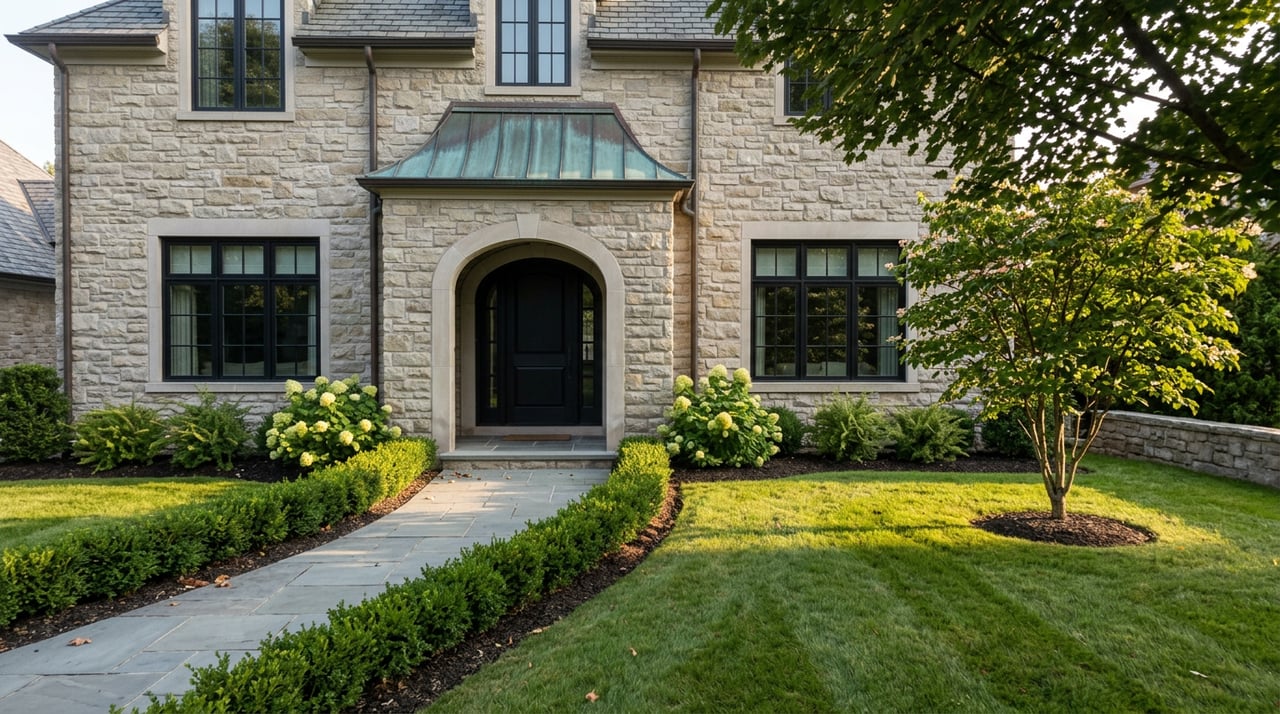
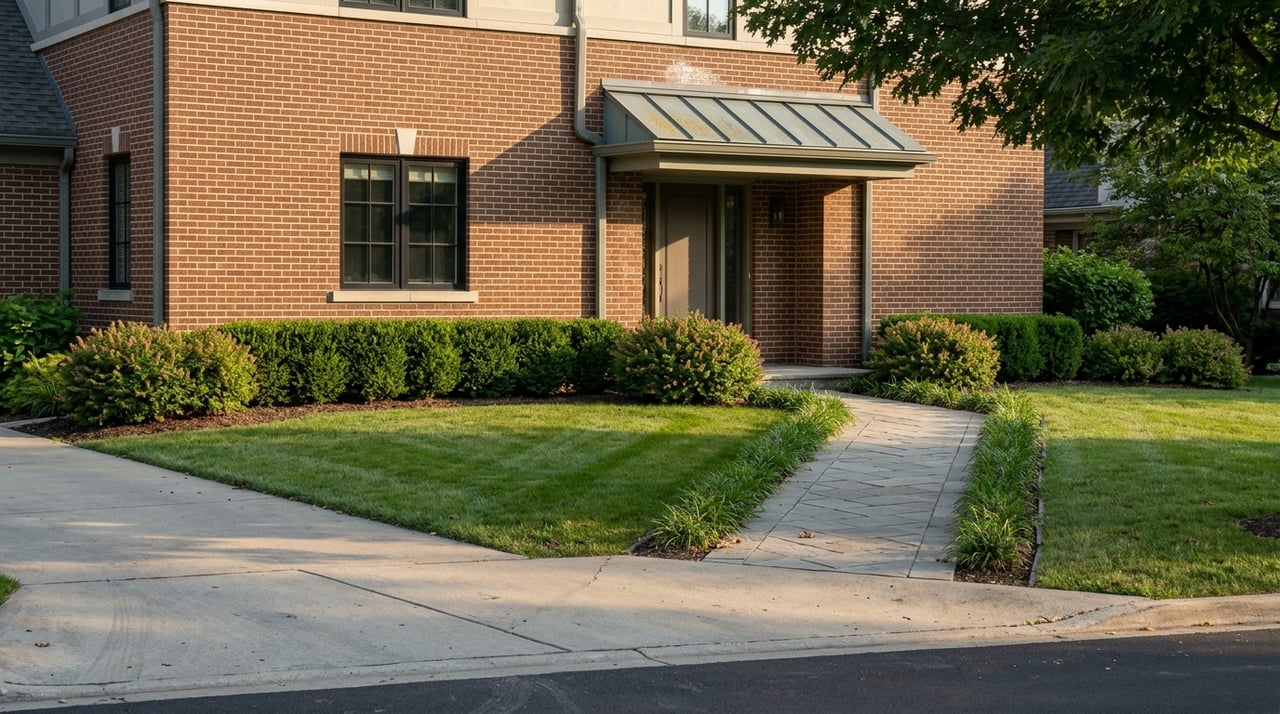
The name is the tell. It's not simply a document pull from a filing cabinet. It's an inspection, and the packet that comes out the other end can include photos of any violations the inspector notes on your property, delivered to whoever requested the certificate. That means the resale certificate isn't neutral paperwork sitting between your listing and your buyer's lender. It's a live snapshot of your exterior, taken on the association's schedule, that can surface a fence in need of stain, an overgrown bed, or a fading mailbox post right in the middle of your transaction, whether or not it shows up in your listing photos.
The 14-day statute doesn't require this inspection and doesn't limit it. It simply governs how fast the finished packet has to move once the association starts the clock. If your property needs an obvious cleanup, the honest fix isn't to request the certificate faster. It's to walk your own exterior with the same eye an inspector would, before you list, so the packet that reaches your buyer matches the home they toured.
When one property means two clocks
Ashburn's larger master-planned communities add a second layer of complexity that a single-association neighborhood doesn't have to think about. Brambleton, for example, operates as a master Community Association that handles its own resale document requests directly through its website, while the individual condominium buildings inside Brambleton are organized as separate sub-associations managed through FirstService Residential. A buyer purchasing a condo unit inside Brambleton isn't dealing with one resale certificate. They're potentially dealing with two: one from the master community, one from the condo sub-association, each with its own request process, its own fee up to the statutory cap, and its own 14-day window.
If those two requests go in on the same day and run in parallel, the practical delay is minimal. If they don't, because someone assumed the master association's certificate would cover the whole property, the second request effectively restarts the clock from whenever it's finally submitted. Loudoun County keeps a public list of local HOA and condominium association websites, noting plainly that it isn't a complete directory, which is itself a useful reminder: there is no single lookup that tells you in one search whether a given Ashburn address sits under one association or two.
| Community | Structure | Where the resale process starts |
|---|---|---|
| Ashburn Farm Association | Single HOA, exterior resale inspection built into the process | Resale Request form to the Association, in person, by mail, or by email |
| Brambleton | Master Community Association plus separate condo sub-associations | Master community documents ordered directly through the association; condo sub-associations handled through FirstService Residential |
| Broadlands | Single HOA with its own resident communication system | Requests handled through the association directly |
What actually protects your timeline
The statute gives you a floor, not a guarantee. Building in the practical steps that sit outside the law is what keeps a resale certificate from becoming the reason a closing date moves.
- Confirm before you list whether your property sits under one association or two. A quick check against your deed and any HOA correspondence you've received settles this faster than discovering it mid-contract.
- If your association runs a resale inspection as part of its process, walk your own exterior first. Fix the obvious items, a stained fence, dead landscaping, a worn mailbox, before the association's inspector does it for you and puts it in writing.
- Submit the request as early as your association's process allows, ideally right after you decide to list rather than waiting for ratification, especially if a rush fee is your only backstop against a tight settlement date.
- If you're buying into a master-planned community, ask directly whether a separate sub-association certificate is required in addition to the master community's, rather than assuming one document covers the property.
- Read the rescission period language in your contract closely. The three-day default only applies if that field is left blank, so know what your contract actually says rather than assuming a fixed number applies everywhere.
A few questions worth asking before you sign
Does the association have to tell me about a violation before it shows up in the resale certificate? Not necessarily. In associations that run an inspection as part of the resale process, the violation notice can arrive as part of the finished packet rather than as a separate heads-up beforehand.
Can I speed up a resale certificate if my closing date is tight? Some associations, Ashburn Farm among them, offer a rush option for an additional fee that compresses the standard window to a few business days. Ask your association directly what its expedited option costs and requires.
What happens if the certificate never arrives? Under the current version of the Act, a certificate not delivered within 14 days of a proper written request is deemed unavailable, which gives both sides in the transaction a defined point to act on rather than an indefinite wait.
Selling or buying inside an Ashburn HOA rewards the kind of attention that goes past the headline number. If you're weighing a listing timeline against your association's actual process, or trying to figure out whether a specific Ashburn address carries one set of dues or two, the Susan & Joe Team knows these communities from the inside. Start the conversation — connect with Susan & Joe.